How to Prevent Wall Damage During North Bay Residential Moves
Moving a household full of heavy furniture through tight hallways often turns a residential move into a stressful event. Dents, scrapes, and punctured drywall are common realities when large pieces meet narrow staircases. At Father and Son Movers, we see how easily property damage happens when proper precautions are ignored. Protecting your home requires a strategic approach rather than just relying on brute strength.
Applying the right techniques prevents costly repairs and keeps your old and new properties in great condition. Taking the time to prep pathways and wrap items correctly makes all the difference during relocation. Our crew approaches every job with specific damage prevention methods built from decades on the job. Following these core practices ensures your belongings and your walls stay intact from start to finish.
What We Cover:
1. Pivot Points and Doorway Miscalculations
2. Why Moving Blankets Slip During Transport
3. The Risks of Rushed DIY Moving Attempts
4. Navigating Tight Stairwells Safely
Pivot Points and Doorway Miscalculations
The most common cause of wall damage happens when trying to squeeze a long sofa or oversized dresser through a standard doorway. People often underestimate the pivot angle needed to clear the jamb while keeping the back end from swinging into the adjacent wall. Professional residential moving crews calculate this angle before lifting the piece off the ground. If a piece requires furniture assembly or disassembly to fit safely, we take it apart rather than forcing it through a tight gap.
→ A quick tip to remember: Measure both the item and the narrowest point of the hallway to confirm your clearance before committing to a lifting angle.
Why Moving Blankets Slip During Transport
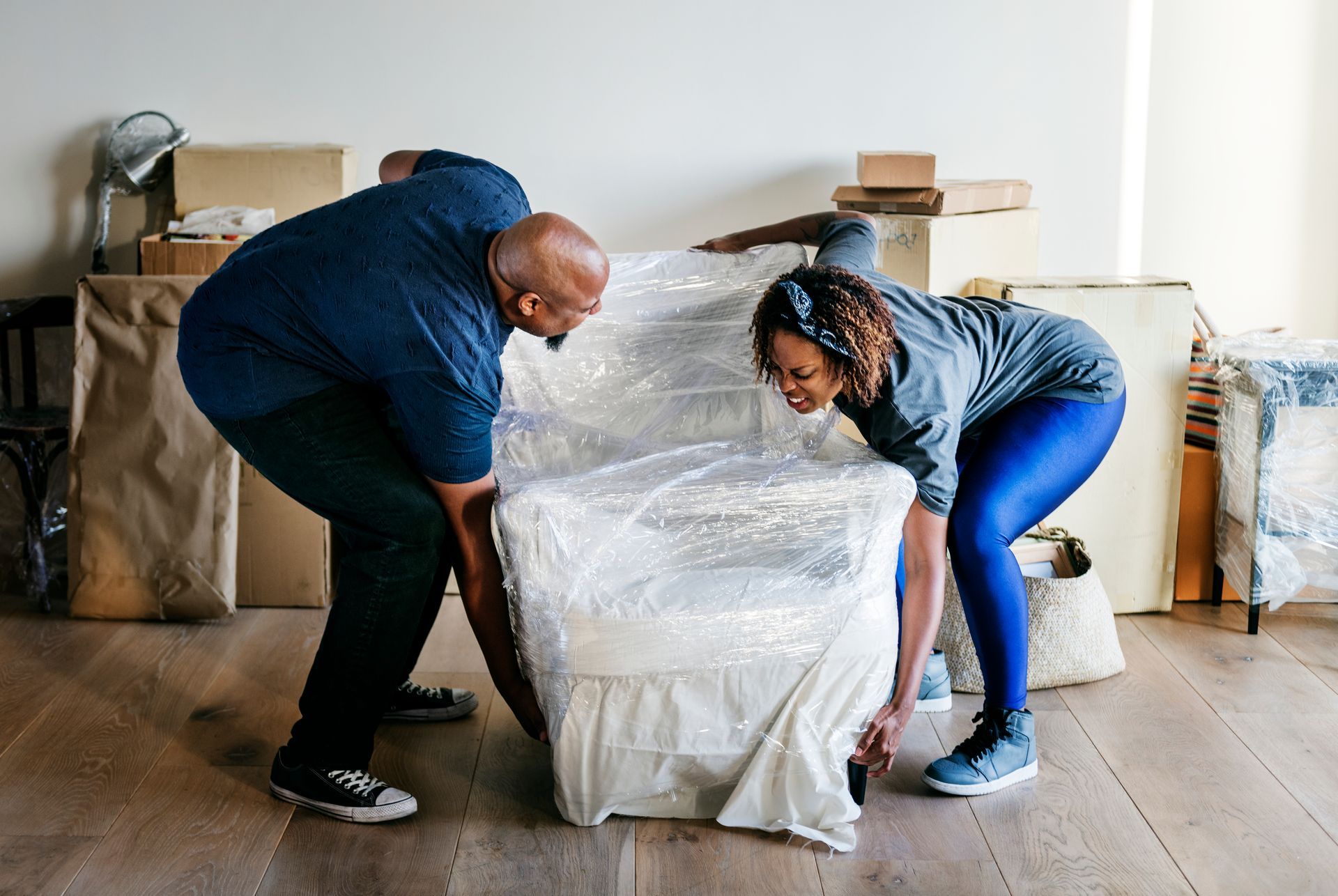
Wrapping heavy items in protective pads only works if the padding stays exactly where it belongs during the lifting process. A loose blanket sliding off a dresser corner instantly exposes sharp wood to vulnerable drywall. We secure our heavy duty pads with tight stretch wrap that locks the protection in place around the entire item. This method creates a soft barrier that absorbs incidental contact if a piece gently bumps a wall in a tight Sonoma, CA hallway.
→ From a professional standpoint: Wrap from the bottom up and pull the stretch film tight enough to compress the blanket against the hard edges.
This attention to detail is something clients notice firsthand when we handle their oversized items.
► Client Experience: Needed my queen size bed and large dresser picked up from my storage unit and moved to my new place. Of course it was upstairs. These guys were great. I got them the same day. They were very professional friendly. Their truck was well equipped. For the job I would highly recommend them for any kind of move. Very grateful here. - Energy Wise Guys
Having a properly equipped truck and crew ensures those heavy pieces make it upstairs without leaving a trace on your walls.
The Risks of Rushed DIY Moving Attempts
Many homeowners try to handle the heavy lifting themselves to save time, but this often leads to much bigger repair bills. DIY movers typically lack the right lifting straps and rely purely on arm strength, which quickly gives out on long carrying paths. When grip strength fails, the natural reaction is to lean the heavy furniture against the nearest wall to catch a breath. This sudden weight shift easily punches holes straight through standard residential drywall and damages baseboards.
How do you protect drywall when moving heavy furniture?
Guarding drywall requires installing temporary physical barriers along the most vulnerable transit paths. We apply specialized wall guards and corner protectors that take the impact if an item shifts unexpectedly. Laying down neoprene floor runners also prevents slip hazards that cause carriers to lose their balance and drop items against the walls. Preparing the environment before moving a single box is the most reliable way to maintain the structural integrity of your home.
Navigating Tight Stairwells Safely
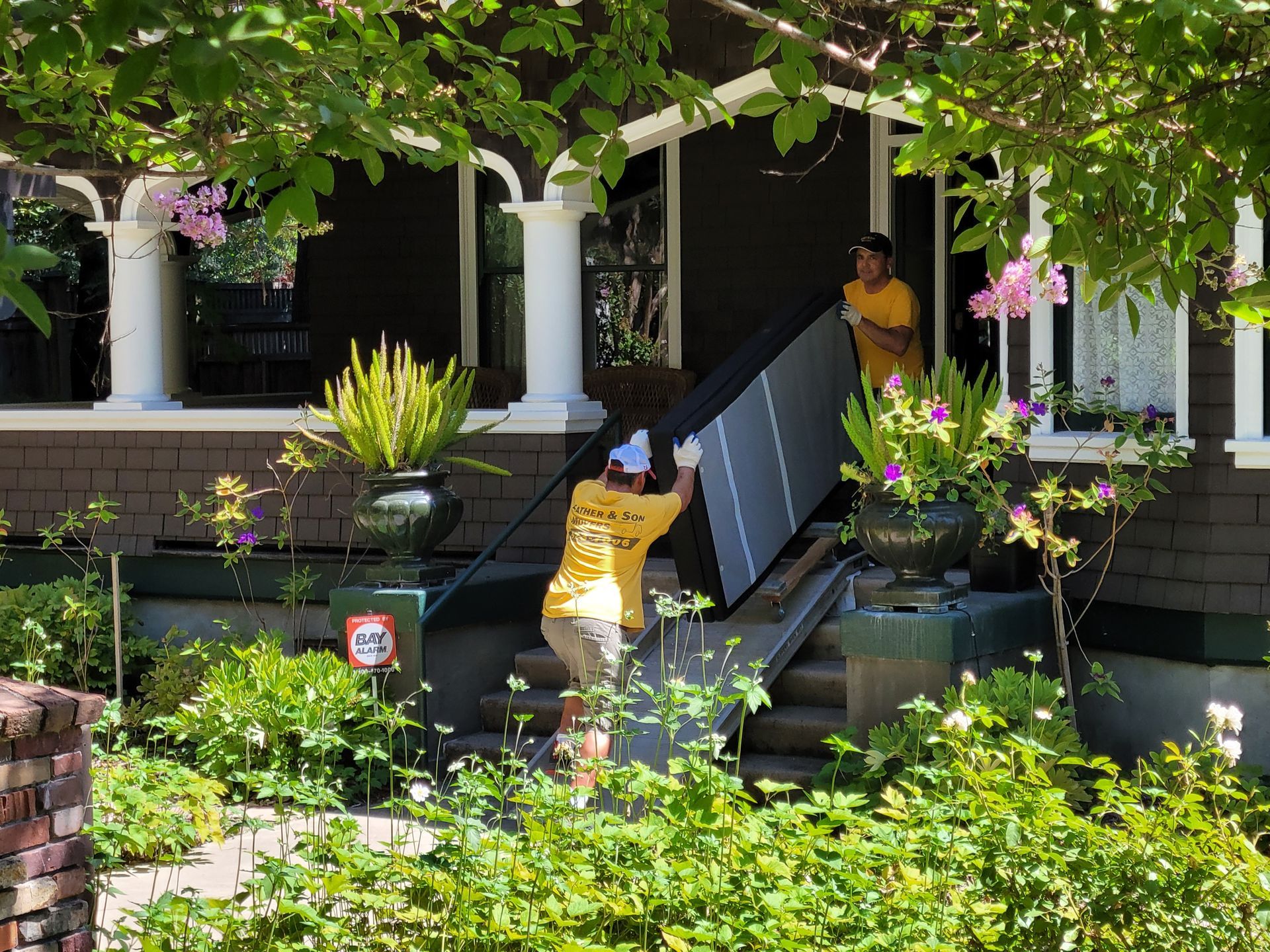
Staircases present a unique challenge because the carriers are positioned at different heights and angles while managing dead weight. Communication often breaks down on the stairs, causing one person to push while the other is still adjusting their grip. We use clear verbal commands and designated rest steps to maintain control over bulky items from the top landing to the bottom floor. Taking things one step at a time keeps the load balanced and far away from the surrounding walls.
→ A quick tip to remember: The person at the bottom of the stairs always dictates the pace of the descent to maintain absolute control.
Keep Your Property Spotless During Relocation
Applying these protective strategies guarantees your property remains free from dents and gouges during a heavy move. Recognizing the physical demands and spatial limitations of your layout allows you to plan a much safer path out the door. Taking the time to properly wrap furniture and shield vulnerable corners protects your investment and your peace of mind. Reach out to our team today to schedule a relocation handled with professional care.
Share This Blog